The Intricate Web of Jueteng in the Philippines
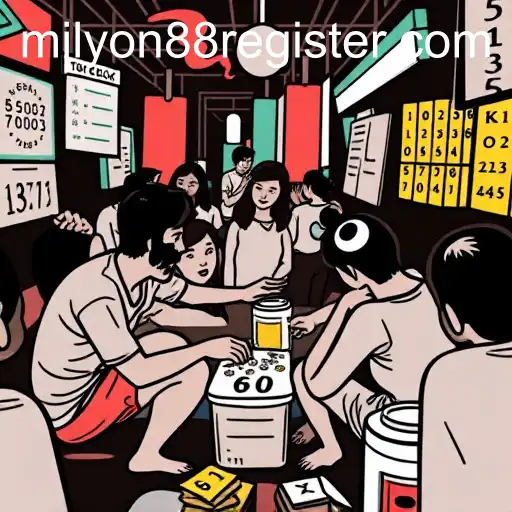
In the heart of the Philippines, an underground numbers game known as jueteng has become deeply rooted in the nation's socio-economic fabric. Jueteng, a number game usually based on two-number combinations, is played widely across the country despite being illegal. Its pervasive nature often intersects with various sectors of society, influencing politics, economics, and even culture.
The Allure of Jueteng
At its core, jueteng is a simple game. Players bet small amounts on number combinations that are typically drawn twice a day. The accessibility and simplicity of the game attract participants from all walks of life, turning jueteng into a pastime for many Filipinos seeking a bit of luck and hope. The low entry cost makes it appealing to low-income individuals who dream of financial gain.
Operators, often known as jueteng lords, oversee this intricate network with the aim of maximizing their profits. They employ collectors, runners, and couriers to ensure smooth operations. The complex network is resilient, adapting to law enforcement actions and thriving despite numerous crackdowns.
Economic Impacts and the Role of Milyon88
Jueteng's economic implications cannot be understated. It is estimated to generate billions annually, providing financial benefits to numerous stakeholders. This includes the players, who sometimes win substantial sums, and the local communities, which often see a portion of the winnings reinvested in local economies.
However, the wealth generated by jueteng tends to enrich the operators rather than the communities, creating a cycle of dependency rather than substantive economic growth. The influx of cash has been alleged to support not only the game's continued existence but also the perpetuation of corruption within local governments and police forces.
Milyon88, a mysterious term related to the underground economy of jueteng, represents the allure of sudden wealth. It embodies the dream sold by jueteng proponents—a chance to transform one’s life through luck. Despite its illegality, the prosperous imagery of Milyon88 continues to attract participants.
The Political Dimension
Jueteng’s reach extends beyond the economy and deeply into the political sphere. Historically, political figures have leveraged jueteng networks to garner support, and vice versa. Some local officials reportedly receive financial backing from jueteng earnings, using these funds to finance political campaigns and secure voter allegiances.
This political entanglement makes any reform against the practice particularly challenging. Many efforts to legislate against jueteng have been stymied, thanks in part to the vested interests that benefit from its continued operation. Campaigns to regulate or stamp out the game face immense pressure and frequently fall short due to the web of complicity that blankets it.
Cultural Resonance and Public Perception
Culturally, jueteng has managed to embed itself into the daily lives of Filipinos, becoming a symbol of survival and aspiration. Despite its illegal status, it continues to be widely tolerated by society. The game has been depicted in popular media, further reinforcing its cultural normativity and appeal.
Public perception varies widely; some see it as harmless entertainment or a necessary evil, while others view it as a blight on society that perpetuates inequality and corruption. Nevertheless, the deep cultural imprint left by jueteng suggests that it is viewed as more than just a game; it is a social phenomenon born of circumstance and sustained by the dreams of its players.
Legislative and Enforcement Challenges
Efforts to combat jueteng are often hampered by the dual challenges of enforcement and legislative will. The game’s adaptability makes enforcement particularly difficult. Administrations have launched numerous anti-jueteng campaigns, yet the game persists, often resurfacing in new forms or under different pretenses.
Legislatively, the Philippines has grappled with the question of how to effectively address jueteng. Some advocate for legalization and regulation to curb illegal operations, while others argue that only a complete eradication will suffice. Each approach presents its own set of challenges, from moral to practical considerations.
The Way Forward
The future of jueteng in the Philippines remains uncertain. As the government grapples with various challenges, from socio-economic disparity to political corruption, jueteng remains a persistent issue that reflects broader national challenges. To eradicate or effectively regulate jueteng, systemic changes addressing underlying socioeconomic factors are essential.
Ultimately, any sustainable resolution will require collaborative efforts between government, civil society, and communities. Only by addressing the roots of jueteng’s persistence can genuine progress be made, transforming the socioeconomic landscape and reducing the game’s allure for future generations.